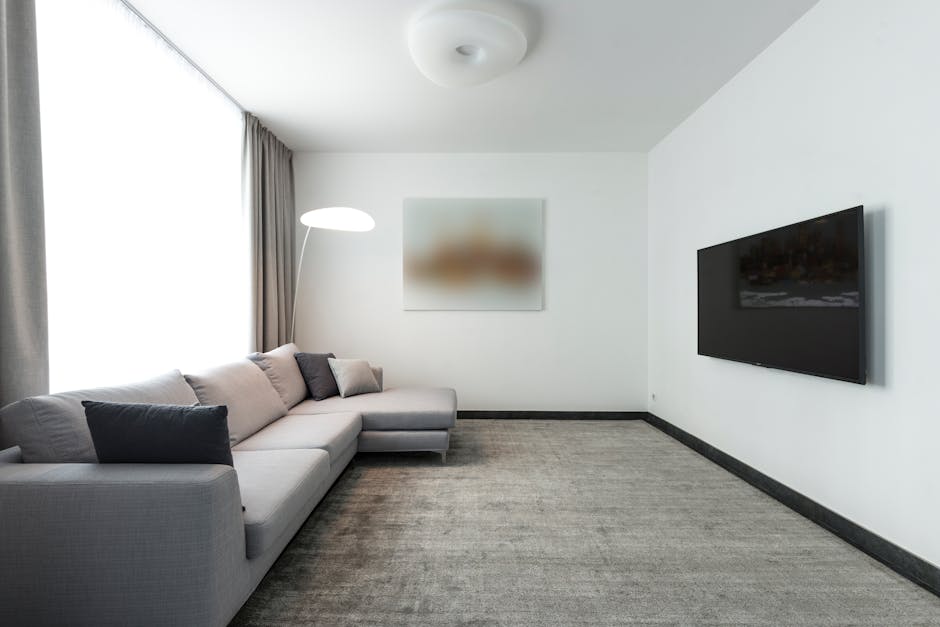
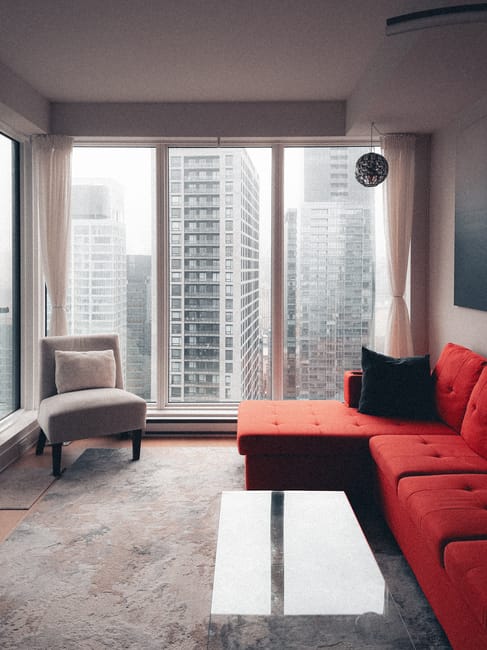
Carpet cleaning tips for Sydney CBD apartments
Living in a Sydney CBD apartment has its perks: short commutes, skyline views, and a home that feels right in the middle of everything. The downside? Carpets cop the fallout from city life. Foot traffic, balcony dust, food spills, pet hair, and the odd bit of building grime can build up fast. If you have ever looked down at a dull patch near the sofa or a stubborn mark by the hallway, you already know the problem.
This guide on carpet cleaning tips for Sydney CBD apartments is written for real apartment living, not an idealised house with endless storage and a spare room for drying laundry. You will find practical steps, common mistakes, method comparisons, and a few sensible judgement calls so you can keep carpets fresher for longer without making the place feel damp, overworked, or stressed. Let's get into it.
Table of Contents
- Why carpet care matters in Sydney CBD apartments
- How apartment carpet cleaning works
- Key benefits and practical advantages
- Who this is for and when it makes sense
- Step-by-step guidance
- Expert tips for better results
- Common mistakes to avoid
- Tools, resources and recommendations
- Law, compliance, standards, and best practice
- Options, methods, and comparison table
- Case study or real-world example
- Practical checklist
- Conclusion
- Frequently asked questions
Why carpet cleaning tips for Sydney CBD apartments matters
Apartment carpets take a beating in ways that are easy to underestimate. In the CBD, people come and go more often, lifts and corridors drag in fine grit, and compact floor plans mean dirt collects in the same small routes every day. Hallways, bedroom entrances, and the area in front of the couch usually show wear first. Truth be told, a carpet can look fine from across the room and still be quietly holding onto dust, odours, and microscopic debris.
For Sydney CBD apartments, carpet care matters for three simple reasons. First, it helps the place feel cleaner and more comfortable. Second, regular upkeep reduces the chance that a small spill turns into a permanent stain. Third, well-maintained carpets tend to last longer, which matters when you are living in a rental or trying to protect the value of your own place. If you have ever walked into an apartment after a warm day and caught that slightly stale carpet smell, you will know exactly what we mean.
There is also a practical side. Many CBD apartments have limited ventilation and not a lot of room to dry wet flooring quickly. That means a sloppy clean can cause more problems than it solves. A careful approach is not just nicer; it is smarter.
How carpet cleaning tips for Sydney CBD apartments works
The basics are straightforward: remove dry soil first, treat spots carefully, clean the fibres without over-wetting them, and dry the carpet properly. In apartments, that last step is the one people get wrong most often. The floor area may be small, but the airflow can be even smaller, especially in bedrooms or internal living spaces with little natural cross-breeze.
A good process usually starts with inspection. Look for stains, traffic lanes, pet odours, loose fibres, and any areas where carpet meets skirting or joins hard flooring. Then vacuum thoroughly. After that, spot-treat marks before considering a deeper clean. If you are using any liquid product, use as little as possible and test it in a hidden corner first. That sounds basic, but it saves a lot of grief.
For deeper results, many people compare DIY shampooing, hot water extraction, low-moisture cleaning, or a professional service. If you want a proper overview of the service side, it can help to look at the company's carpet cleaning service alongside deep cleaning options so you can judge what level of clean you actually need. Not every carpet needs the same treatment, and honestly, not every stain deserves the same panic.
Key benefits and practical advantages
When apartment carpet care is done properly, the benefits are very tangible. You notice the place feels fresher. The fibre pile looks less flattened. Walking barefoot across the room feels better. And yes, the apartment simply seems more looked after. Small thing, big difference.
- Cleaner indoor feel: regular vacuuming and stain control reduce dust and grit.
- Better appearance: traffic lanes and dull patches stand out less.
- Odour control: spills, pet smells, and food odours are less likely to linger.
- Longer carpet life: less embedded dirt means less wear on fibres.
- Better rental presentation: useful for inspections, move-outs, and new tenancy handovers.
- Less stress: a simple maintenance rhythm prevents big, expensive emergencies later.
There is a quieter benefit too: carpet cleaning forces you to notice the home properly. You see where dust collects, where shoes are being left too close to the bedroom, and where the coffee table has been hiding a spot for months. Bit awkward, but helpful.
Who this is for and when it makes sense
This advice is useful for renters, owner-occupiers, landlords, and property managers. It is especially relevant if you live in a furnished or lightly furnished apartment, because carpet wear tends to concentrate around furniture edges and pathways. If your place is pet-friendly, the need is even stronger. Pet hair, dander, and the occasional accident do not politely announce themselves; they just settle in.
It also makes sense in a few specific situations:
- before or after a tenancy changeover
- after a renovation or small building project
- after a spill, water mark, or food stain
- when carpets smell stale despite normal vacuuming
- when the pile has started to look flat in walkways
- if you work from home and want the apartment to feel less dusty
For move-out situations, a broader clean often makes sense because carpets are only one part of the picture. In those cases, some people pair carpet care with end of tenancy cleaning so the whole apartment presents well. If the place needs a one-time reset rather than ongoing maintenance, one-off cleaning can also be a sensible fit.
Step-by-step guidance
Here is a practical process that works well in compact apartments. Keep it simple. Complicated routines usually collapse by week two.
1. Clear the floor first
Move lightweight furniture where possible, pick up cables, shoes, baskets, and anything else that blocks the carpet. You do not need to rearrange your whole life. Just create access. In a small CBD apartment, five minutes of clearing can make the whole job easier.
2. Vacuum slowly and in two directions
Do not rush the vacuum. Go over high-traffic lanes twice, first in one direction and then across them. That helps lift grit that sits deep in the pile. Around skirting boards and under bed edges, use a crevice tool if you have one. This is one of those boring steps that makes a surprisingly big difference.
3. Deal with spots before they settle
For fresh spills, blot first. Never scrub hard at the start. That just pushes liquid deeper and can fuzz the fibres. Use a clean white cloth and dab from the outside of the stain toward the centre. If the stain is food-based, oily, or coloured, treat it carefully with the mildest product you can trust. And if you are unsure, leave it and get advice rather than making it worse. That little hesitation can save the carpet.
4. Use the right amount of moisture
Apartment carpets do not like soaking. Too much water slows drying and can leave odours behind. In a high-rise or internal apartment, that is especially annoying because there is nowhere convenient for the damp to go. Use light applications, controlled passes, and good airflow. If the carpet feels wet rather than merely damp, it is too much.
5. Allow proper drying time
Open windows where safe, run fans if you have them, and keep people off the carpet until it is dry. If furniture has to go back before complete drying, place protective pads underneath legs. A half-dry carpet is the perfect way to create new marks, and nobody wants that.
6. Finish with a final inspection
Check for lingering spots, rough patches, and any smell that suggests the fibre is still holding moisture. If the room looks better but still feels off, give it more drying time rather than rushing to cover it up with fragrance. Fresh should smell neutral, not aggressively perfumed.
Expert tips for better results
Here are the tips that tend to matter most in real apartment settings, not just in tidy instructions.
- Vacuum before you clean anything wet. Wet cleaning over loose grit just creates muddy paste.
- Work in small zones. A bedroom, then the hallway, then the living area. Small wins.
- Keep a stain cloth ready. A white cotton cloth beats paper towel fluff that falls apart halfway through.
- Use mats at entrances. This is the simplest way to cut down on tracked-in dust from shared corridors.
- Rotate furniture slightly where possible. It spreads wear and reduces obvious traffic tracks.
- Watch humidity. On a muggy Sydney day, drying can take longer than you expect.
- Do not overdo fragrance sprays. They can mask a problem instead of fixing it.
If a stain keeps returning after drying, that usually means residue is still coming up from below the surface. That can happen when the first clean only touched the top layer. In those cases, a deeper treatment may be needed, and sometimes the most sensible next step is a professional service rather than another round of DIY guesswork.
For apartments with mixed flooring, it can also help to think beyond the carpet. Clean entry tiles, nearby rugs, and upholstered furniture all contribute to the overall feel. A room with freshly cleaned carpet can still feel dusty if the chair arms and soft furnishings are overdue for care. If that sounds familiar, upholstery cleaning and rug cleaning can make the difference feel much bigger than the work involved.
Common mistakes to avoid
Most carpet problems in apartments come from a few repeat mistakes. Nothing exotic. Just a bunch of small missteps that add up.
- Scrubbing stains aggressively: this spreads the mark and can damage the pile.
- Using too much water: a carpet that stays damp too long may develop odours.
- Ignoring the first 10 minutes after a spill: that is often the window where damage can still be limited.
- Skipping vacuuming: dry grit is abrasive and makes fibres wear faster.
- Mixing products without care: not a great idea, and occasionally a messy one.
- Cleaning only the visible centre of the room: edges and entry paths are usually the real problem areas.
- Putting heavy furniture back too soon: it can leave dents, marks, or damp patches underneath.
A quick story: one small hallway stain in an apartment can turn into a slightly larger mystery after someone tries three different products in succession. By the end, the stain is still there, only now the area smells like a chemistry set. Better to pause, choose one method, and give it time.
Tools, resources and recommendations
You do not need a van full of gear to keep apartment carpets in decent shape. A modest, well-chosen kit is usually enough.
- Vacuum with strong suction: preferably with an upholstery tool and crevice attachment.
- Microfibre cloths or clean white towels: ideal for blotting spills and lifting residue.
- Soft brush: useful for lifting dried particles before vacuuming, especially at edges.
- Bucket and mild cleaning solution: for careful spot treatment, not soaking.
- Fan or portable air mover: helpful when natural airflow is limited.
- Protective pads or coasters for furniture legs: a small thing, but useful.
If you prefer to compare cleaning needs across the apartment rather than think room by room, it can help to review related services such as domestic cleaning for ongoing upkeep and after builders cleaning if renovation dust has worked its way into the fibres. Carpet dust after a fit-out can be surprisingly fine, almost silky to the touch, and that stuff gets everywhere.
For budget planning, it is also reasonable to check pricing and quotes before deciding whether a one-off clean or a broader service package makes more sense. If the apartment has hard flooring in some rooms, you may want to look at hard floor cleaning too, because carpet and hard floor often tell the same story from different corners.
Law, compliance, standards, and best practice
Carpet cleaning in a Sydney CBD apartment does not usually involve complicated legal rules for the resident, but there are still sensible standards to follow. In rentals, always check your lease, entry condition record, and any cleaning expectations before making decisions. That matters because some disputes are really just documentation problems dressed up as cleaning problems.
From a best-practice point of view, the main principles are simple: avoid unnecessary damage, do not create moisture issues, and leave the property in a clean and reasonably maintained condition. If you use a professional cleaner, you should expect them to have appropriate public liability cover and safe working practices. It is fair to ask about that. It is also fair to ask how they handle delicate fibres, stains, and drying time in apartment environments.
For households that care about safety and transparency, it can be worth reviewing practical information on insurance and safety, along with the business's approach to health and safety and recycling and sustainability. Those pages do not clean the carpet for you, obviously, but they do help you judge whether a provider operates in a careful, organised way.
If accessibility matters in your building or home, it is sensible to look at the information on accessibility too. Good service is not just about the result; it is about whether the process is manageable for the people living there.
Options, methods, and comparison table
Different carpet-cleaning approaches suit different apartment situations. A quick comparison helps you avoid overbuying, under-cleaning, or accidentally choosing the wrong method because it sounded impressive on the label.
| Method | Best for | Pros | Watch-outs |
|---|---|---|---|
| Regular vacuuming | Weekly maintenance | Fast, simple, prevents grit build-up | Will not remove deep stains or odours |
| Spot cleaning | Fresh spills and isolated marks | Cheap, targeted, easy to do quickly | Can spread stain if rubbed hard |
| Low-moisture cleaning | Small apartments with limited drying space | Less downtime, lower risk of over-wetting | May need more than one pass for heavy soil |
| Hot water extraction | Deeper soil and heavily used areas | Strong deep-clean potential | Drying time must be managed carefully |
| Professional service | Stubborn stains, move-outs, or busy households | Expert equipment, safer for tricky carpets | Costs more than DIY, so choose it for the right reason |
In practice, most apartment owners and tenants get the best results from a mix: vacuum often, spot clean promptly, and book a deeper clean when the carpet starts to look tired or when a lease event is coming up. Simple. Not always easy, but simple.
Case study or real-world example
Picture a typical one-bedroom Sydney CBD apartment. The living room is small, the hallway is narrow, and the same path from the entry to the sofa gets used all day. Over a few months, the carpet in that route starts to look darker than the rest of the room. There is also a faint smell after the windows have been closed overnight, nothing dramatic, just enough to notice.
Instead of attacking it with a heavy cleaner straight away, the resident vacuums thoroughly, uses a small amount of spot treatment on one mark near the entry, and improves airflow with a fan during the afternoon. Then, before move-out, they arrange a deeper carpet clean and tidy the surrounding surfaces too. The result is better than if they had only treated the visible stain, because the whole space now feels balanced. The carpet looks cleaner, yes, but the room also feels calmer.
That is the important bit. Good carpet cleaning in apartments is rarely about one dramatic action. It is about stacking a few sensible ones.
Practical checklist
Use this as a quick pre-clean or maintenance checklist for your apartment.
- Vacuum all carpeted areas, including edges and under furniture where possible.
- Identify fresh stains and blot them before they settle.
- Choose the mildest suitable treatment first.
- Test cleaning products in an out-of-sight area.
- Avoid soaking the carpet.
- Improve airflow with open windows or fans if safe and appropriate.
- Keep foot traffic off damp areas until fully dry.
- Check for lingering odours after drying.
- Reset mats and furniture pads so future wear is reduced.
- Schedule deeper cleaning when traffic lanes start to show clearly.
Get a free quote today and see how much you can save.
Conclusion
Carpet care in a Sydney CBD apartment does not have to be complicated. If you vacuum properly, treat spills quickly, avoid over-wetting, and pay attention to drying, you will prevent most of the common headaches before they start. And when the carpet needs more than a quick tidy, it is worth choosing the right method rather than the quickest one.
The real goal is not perfection. It is a home that feels clean, lives well, and does not make you cringe when the afternoon light catches the hallway. That is a good standard, honestly. Keep it steady, keep it practical, and your carpets will repay you by looking better for longer.
Frequently Asked Questions
How often should I clean carpet in a Sydney CBD apartment?
Most apartments benefit from weekly vacuuming and spot cleaning as needed, with a deeper clean every so often depending on traffic, pets, and lifestyle. Busy homes usually need more frequent attention than quiet ones.
What is the best way to remove fresh carpet stains?
Blot the spill immediately with a clean cloth, working from the outside in. Avoid scrubbing at first. Once the excess liquid is removed, use a suitable mild treatment and keep moisture low.
Can I steam clean apartment carpet myself?
You can, but drying time and moisture control matter a lot in apartments. If ventilation is limited or the carpet is delicate, it may be better to use a lower-moisture method or book a professional clean.
Why does my carpet smell musty after cleaning?
That usually points to too much moisture or not enough drying time. In a CBD apartment, airflow can be limited, so use fans, open windows where appropriate, and keep furniture off the carpet until it is dry.
Is vacuuming enough for apartment carpets?
Vacuuming does a lot, especially for dust and grit, but it will not fully remove embedded soil or deeper odours. For that, you will need spot treatment or a deeper clean from time to time.
What should I do before a carpet cleaning appointment?
Clear smaller items from the floor, vacuum first if requested, and point out any stains, pet issues, or trouble spots. The more accurate the handover, the better the result tends to be.
How do I stop dirt coming in from shared apartment corridors?
Use entrance mats, clean shoes near the door, and vacuum entry paths regularly. Shared corridors can bring in a surprising amount of fine grit, especially in busy buildings.
Are rental carpets expected to be professionally cleaned at move-out?
It depends on the lease, the carpet condition, and what was agreed at the start of the tenancy. Check the paperwork and condition report before deciding. That avoids unnecessary arguments later.
Can carpet cleaning help with pet odours in apartments?
Yes, especially when combined with thorough vacuuming and prompt treatment of accidents. For deeper odours, a more intensive clean may be needed because smells can sit below the visible surface.
What kind of carpet cleaning is best for small apartments?
Low-moisture or carefully controlled cleaning often suits smaller apartments because drying is easier to manage. The best choice depends on the carpet type, level of soil, and how quickly you need the room back in use.
Should I clean the carpet before or after furniture moves?
If possible, clean after larger furniture is moved so you can treat the full area evenly. If that is not practical, focus on accessible sections and plan a more complete clean when the room is clear.
Where can I find more help if my apartment needs more than carpet cleaning?
If the whole place needs attention, related services like domestic cleaning or office cleaning for mixed-use spaces can be useful references. And if you want to speak with the team directly, the contact page is the sensible next step.