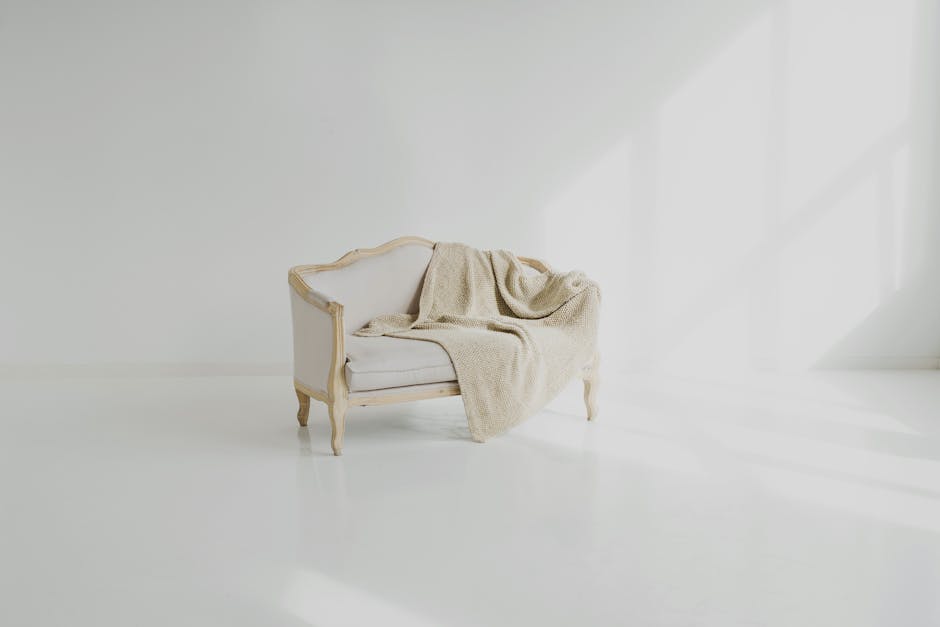
Upholstery Cleaning Advice for Bondi Beach Homes
Salt air, sandy feet, sunscreen marks, summer humidity, the odd wet towel flung over the sofa after a beach walk - Bondi Beach homes deal with upholstery wear in a very specific way. If your lounge looks a bit tired, smells musty after damp weather, or picks up stains faster than you'd like, the good news is that a smart cleaning routine can make a real difference. This guide brings together practical upholstery cleaning advice for Bondi Beach homes, with simple steps for everyday care, safer stain handling, and the sort of judgement calls that save fabric from becoming a permanent headache.
You do not need to attack every mark with a bottle and a hopeful mindset. In fact, that's usually how people make a small issue larger. A better approach is to understand the fabric, the local conditions, and the right order of operations. That's what this article is for.
Table of Contents
- Why Upholstery cleaning advice for Bondi Beach homes Matters
- How Upholstery cleaning advice for Bondi Beach homes Works
- Key Benefits and Practical Advantages
- Who This Is For and When It Makes Sense
- Step-by-Step Guidance
- Expert Tips for Better Results
- Common Mistakes to Avoid
- Tools, Resources and Recommendations
- Law, Compliance, Standards, or Best Practice
- Options, Methods, or Comparison Table
- Case Study or Real-World Example
- Practical Checklist
- Conclusion
- Frequently Asked Questions
Why Upholstery cleaning advice for Bondi Beach homes Matters
Bondi Beach living has its own cleaning rhythm. The environment is brilliant, but it can be rough on fabrics. Fine sand works its way into seams and cushions. Moist sea air can slow drying times. Sunscreen, tanning products, food spills, pet hair, and everyday body oils build up gradually, so by the time you notice a smell or darkened armrest, the fabric has already been holding onto grime for a while.
That is why upholstery care matters more than simple appearance. Clean upholstery can help your home feel fresher, reduce odours, and slow down wear on the fibres. It also supports the rest of your cleaning routine. There is not much point in spotless floors if the sofa still looks and feels neglected. Let's face it, most families spend more time on the couch than they do admiring the carpet.
There's also the local lifestyle angle. Beach homes often see:
- sandy residue tracked in after swims and walks
- more frequent exposure to moisture and humidity
- light-coloured fabrics showing marks quickly
- sofas, dining chairs, and ottomans used heavily by guests
- pet traffic from dogs that have been on the sand or grass
If you're already tackling broader household upkeep, a well-planned approach to domestic cleaning or deep cleaning can make upholstery care feel far less overwhelming. The point is not perfection. The point is staying ahead of buildup before it becomes a bigger job.
How Upholstery cleaning advice for Bondi Beach homes Works
Good upholstery cleaning starts with three things: fabric identification, soil removal, and controlled moisture. Miss any one of those and you're gambling a bit.
Most upholstery cleaning advice follows a simple logic. First, remove loose dirt with vacuuming. Then treat marks carefully, matching the method to the material. Finally, dry the fabric properly so moisture doesn't linger in the filling or frame.
The actual cleaning method depends on the upholstery type. Synthetic blends, performance fabrics, cotton, linen, wool mixes, leather, and microfibre all behave differently. Some can handle light water-based cleaning. Others need a more cautious touch. The care label is your first clue, and if the label is missing or unreadable, you should test a hidden area before doing anything ambitious.
Here's the basic flow most professionals follow:
- Check the label and assess the fabric.
- Vacuum thoroughly, including seams and creases.
- Pre-treat visible stains or heavily used areas.
- Use the right cleaning method for the material.
- Blot, do not soak.
- Allow airflow for proper drying.
- Re-check once dry and repeat only if needed.
That last step matters more than people think. A sofa can look clean while damp, then reveal a tide line or patchiness once it dries. Slightly annoying, yes. Very common, also yes.
For larger or more delicate items, many households pair upholstery care with rug cleaning and carpet cleaning so the whole room feels consistent rather than half-refreshed and half-forgotten.
Key Benefits and Practical Advantages
The biggest benefit is obvious: cleaner furniture. But there's a bit more to it than that.
- Better appearance: cushions look brighter, armrests look less greasy, and the room feels more polished.
- Improved freshness: fabrics hold less odour from pets, food, humidity, and everyday use.
- Longer fabric life: grit and oils can wear fibres down over time, so regular cleaning helps slow that process.
- More comfortable living: clean upholstery just feels nicer to sit on. Simple as that.
- Better presentation for guests or tenants: important if you are hosting, selling, or preparing a rental property.
There's also a practical benefit many people miss: regular maintenance is usually easier on the fabric than occasional heavy treatment. If you wait until the sofa looks tired and smells stale, you often need a much more aggressive process. That's when mistakes happen. Early action is calmer, cheaper, and less stressful.
For landlords, movers, and people between tenancies, upholstery care often sits alongside end of tenancy cleaning. For one-off refreshes before visitors arrive or after a very busy season, one-off cleaning can be the more realistic option. No drama, just timing.
Who This Is For and When It Makes Sense
This advice is useful for anyone with upholstered furniture in a coastal home, but a few households will feel the impact more sharply.
- Families with young children: snacks, spills, sticky hands, enough said.
- Pet owners: hair, odour, paw marks, and the occasional damp-dog moment.
- Renters and landlords: keeping furniture in good condition helps protect the property's presentation.
- Hosts and entertainers: if your home gets regular weekend traffic, upholstery gets worn quicker.
- People with light-coloured fabrics: cream and pale grey look lovely, until they don't.
- Owners of delicate or high-value pieces: vintage chairs, designer sofas, and natural fibres need more caution.
It also makes sense if your home sits close to open windows or balcony doors, because Bondi's breezy lifestyle brings in more dust and salty residue than many inland homes. You might not see it at first, but you will notice it later in the fabric feel and room smell.
If your upholstery is part of a larger maintenance cycle, it can help to think of it alongside hard floor cleaning and window cleaning. That way the whole room gets reset, not just the obvious bits.
Step-by-Step Guidance
Here is a sensible, low-risk way to clean most household upholstery without making a mess of it.
1) Identify the fabric first
Check for a care label or manufacturer guidance. If you can't find one, assume the fabric is more delicate than you'd like it to be. That sounds cautious, but cautious is good here. Different codes usually indicate whether the fabric can handle water-based cleaning, solvent-based cleaning, or only professional care.
2) Vacuum properly
Use a soft brush attachment and go slowly over cushions, seams, piping, and under flaps. Sand and crumbs settle into those hidden spots, then scratch the fabric if they are left there. A quick once-over is not enough. Be thorough.
3) Deal with dry debris before wet cleaning
Pick up loose particles and brush away pet hair before you introduce moisture. If you skip this, the dirt can smear or sink deeper. That's where people get frustrated and start rubbing harder than they should.
4) Test a hidden area
Choose a discreet patch, apply a small amount of your chosen solution, and wait for the area to dry. Look for colour transfer, fibre distortion, or a change in texture. If the test spot behaves badly, stop. No heroics.
5) Blot stains gently
Use a clean white cloth and work from the outside of the stain inward. That helps avoid spreading the mark. Blot, lift, blot again. Don't scrub in circles like you're trying to erase the furniture from existence.
6) Use minimal moisture
Upholstery can trap water in the filling. Too much liquid means longer drying, musty smells, and possibly water rings. A lightly damp cloth is often safer than a wet one.
7) Dry with airflow
Open windows if the weather allows, use fans, and keep cushions separated so air can move. In Bondi, humidity can slow drying, so patience really matters. Rushing this step is one of the fastest ways to undo good work.
8) Fluff and reassemble once fully dry
Replace cushions only when the fabric and filling are dry all the way through. Then gently reshape and fluff. The room should smell cleaner, not damp.
Expert Tips for Better Results
A few small habits make a surprisingly big difference.
- Vacuum weekly, not yearly. Sand and dust are easier to remove before they settle in.
- Use throws strategically. They are not a substitute for cleaning, but they can protect high-wear zones.
- Rotate cushions. This spreads wear more evenly and prevents one side from becoming flattened.
- Treat spills immediately. Fresh marks are far easier to deal with than old ones.
- Use distilled or low-mineral water for spot treatment when appropriate. It can reduce the risk of marks in some fabrics.
- Keep a white cloth set aside for cleaning. Coloured towels can transfer dye. Nobody wants that surprise.
One practical observation from real homes: the armrests and the front edge of seat cushions usually age fastest because people touch those points all the time. If you focus your regular attention there, you often buy yourself an extra year or two of decent-looking furniture. Not glamorous, but useful.
If you've recently done larger household maintenance or move-related cleaning, after builders cleaning and office cleaning may sound unrelated, but the underlying principle is similar: remove fine dust first, then do the detailed work. Dust first. Always.
Common Mistakes to Avoid
Most upholstery damage comes from well-meant impatience.
- Scrubbing hard: this can rough up fibres and push the stain wider.
- Soaking the fabric: excess moisture leads to long drying times and possible odour.
- Using the wrong product: bleach, harsh degreasers, and random household sprays can be too aggressive.
- Skipping the test patch: small hidden spots save a lot of grief.
- Cleaning only the stain, not the surrounding area: this often leaves a tide mark.
- Putting cushions back too soon: trapped moisture can make the whole job feel pointless.
There's another mistake that's less obvious: treating every upholstery problem as if it were the same. A food spill, sunscreen mark, pet odour, and overall dullness need different responses. If you approach them all with one spray and a hopeful prayer, the outcome is unpredictable. To be fair, that's not a system.
Tools, Resources and Recommendations
You do not need a garage full of kit. A small, sensible setup is usually enough for routine upholstery care.
| Tool or Product | Best Use | Notes |
|---|---|---|
| Vacuum with upholstery attachment | Weekly maintenance and debris removal | Helps lift sand, crumbs, and hair before they settle in |
| Soft brush | Loosening surface dust | Useful on seams and textured fabrics |
| White microfibre cloths | Spot treatment and blotting | White cloths reduce the risk of dye transfer |
| Spray bottle | Applying very light moisture | Keep dilution controlled and never drench the fabric |
| Fan or good airflow | Drying | Especially helpful in humid coastal weather |
| Fabric-safe cleaner | Targeted stain treatment | Always check the label and test first |
If you're considering a more thorough refresh, it can help to compare upholstery care with professional upholstery cleaning or broader deep cleaning. Professional help is often worth it when the fabric is delicate, the furniture is expensive, or the issue has built up over time.
And yes, a careful clean can be paired with recycling and sustainability goals too, because extending the life of furniture is often the most practical form of waste reduction. Keep the good pieces going.
Law, Compliance, Standards, or Best Practice
For most homeowners, upholstery cleaning is a practical maintenance task rather than a regulated activity. Still, a few best-practice points matter if you're hiring a cleaner or handling the work yourself in a shared property.
First, any cleaning products used should be handled according to the manufacturer's instructions and common safety practice. That means ventilation, sensible dilution, and keeping chemicals away from children and pets. No shortcuts there.
Second, if you're using a professional service, it is reasonable to ask about insurance, safe working methods, and how they handle delicate fabrics. A trustworthy provider should be able to explain the process clearly without making wild promises. If they can't explain what they're doing in plain English, I'd be wary.
Third, in rental settings, upholstery care may form part of the broader condition expected at the end of a tenancy, but exact obligations depend on the property, the agreement, and the condition at move-in. So be careful about assumptions. For service details, payment expectations, and business information, pages such as insurance and safety, payment and security, and terms and conditions can help set expectations before work begins.
Best practice is simple: test first, clean gently, dry thoroughly, and keep records if you're dealing with a shared or rented property. That alone avoids a lot of avoidable trouble.
Options, Methods, or Comparison Table
Different situations call for different approaches. Here's a practical comparison that may help you decide.
| Method | Best For | Pros | Limitations |
|---|---|---|---|
| Regular vacuuming and light spot care | Routine maintenance | Cheap, quick, low risk | Won't remove deep soil or old odours |
| DIY fabric-safe cleaning | Minor stains on sturdy fabrics | Good for fresh spills, controllable | Needs care, test patches, and patience |
| Steam or hot-water extraction | Many synthetic upholstery types | Can lift embedded dirt effectively | Not suitable for every fabric; drying time matters |
| Professional upholstery cleaning | Delicate, valuable, or heavily soiled items | More expertise, better equipment, less guesswork | Usually costs more than DIY |
For many Bondi homes, the sensible answer is a blend: regular maintenance at home, then a professional clean when the furniture needs a proper reset. That approach keeps things manageable, and honestly, it tends to age better.
Case Study or Real-World Example
A typical Bondi apartment scenario goes like this. A couple with a linen-blend sofa near a balcony notices the seat cushions looking dull after summer. The armrests feel a bit tacky, there's a faint salty smell, and a sunscreen stain has settled near one corner cushion. Nothing dramatic. Just the kind of build-up that sneaks up on you.
They start with a thorough vacuum, especially under the cushions and around the seams. The sunscreen spot gets a careful test on a hidden edge first, because linen blends can be a bit fussy. They blot the mark lightly rather than rubbing it, then use airflow from a fan and open the windows during a dry part of the day. Once the sofa is dry, they rotate the cushions and add a washable throw where guests usually sit.
The result is not magical, but it is noticeable. The room smells fresher, the fabric looks cleaner, and the sofa feels like part of the home again rather than something they need to apologise for. That's often the real win. Not perfection. Just better, calmer living.
In more demanding cases, a professional visit can be the right next step, especially if the item is expensive, sentimental, or part of a larger refresh alongside domestic cleaning or one-off cleaning.
Practical Checklist
Use this before you start.
- Check the fabric care label
- Vacuum all surfaces, seams, and creases
- Remove loose dirt and hair first
- Test your cleaning method in a hidden spot
- Use the smallest amount of moisture needed
- Blot stains gently, do not scrub
- Keep cushions and fabric pieces well aired while drying
- Watch for colour change, water rings, or texture changes
- Let everything dry fully before use
- Repeat only if the fabric is responding well
If any step feels uncertain, pause. That's usually the safest move, and it saves money in the long run.
Conclusion
Upholstery cleaning in Bondi Beach homes is really about staying ahead of coastal wear: sand, humidity, sunscreen, spills, pet traffic, and everyday use all leave their mark. The best results come from small, consistent habits rather than occasional panic cleaning. Learn the fabric, vacuum properly, treat stains carefully, and dry everything well. That's the core of it.
When you treat upholstery as part of the home's ongoing care, not an emergency rescue mission, the whole place feels easier to live in. Cleaner fabric, fresher air, less friction. A little less effort on Sunday evening, too, which never hurts.
If you want a more thorough refresh for your home furnishings, take a look at upholstery cleaning as part of a broader home care plan, and choose the level of help that fits the fabric in front of you. Sometimes that is enough. Sometimes it isn't. The point is knowing the difference.
Get a free quote today and see how much you can save.
Frequently Asked Questions
How often should upholstery be cleaned in a Bondi Beach home?
For busy homes, a regular vacuum and quick spot care should happen weekly, while deeper cleaning is usually needed less often depending on fabric type, use, pets, and exposure to sand or moisture. High-traffic sofas may need attention more frequently.
Can I clean upholstery myself or should I hire a professional?
Light maintenance and fresh spills are often manageable at home if you use the right method and test first. Professional cleaning makes more sense for delicate fabrics, set-in stains, odours, or furniture you really don't want to risk.
What is the safest way to remove a fresh stain from upholstery?
Blot the spill gently with a clean white cloth, work from the outside toward the middle, and avoid scrubbing. Use only a small amount of fabric-safe cleaner if the care label allows it, and test first in a hidden area.
Why does my sofa smell musty after humid weather?
Coastal humidity can slow drying and allow odours to linger in the fabric or filling. Improve airflow, avoid over-wetting the upholstery, and make sure cushions dry fully before being put back in place.
Is steam cleaning safe for all upholstered furniture?
No, not at all. Some fabrics tolerate moisture and heat better than others, while delicate fibres can shrink, distort, or stain. Always check the care instructions and test before using any wet cleaning method.
How do I stop sand from building up in cushions and seams?
Vacuum regularly with a brush attachment, especially along seams, piping, and under cushions. A quick shake of removable cushions outdoors can help too, but vacuuming is the more reliable habit.
What fabric types need extra caution?
Linen, wool blends, velvet, silk-like fabrics, and some vintage or dyed materials can be more sensitive to water and agitation. If you're unsure, treat the fabric as delicate until proven otherwise.
Can upholstery cleaning help with pet odours?
Yes, but only if the source is addressed properly. Surface odour can be reduced with cleaning, while deeper smells may need a more thorough treatment. If a pet accident has soaked into the cushion, it may need professional attention.
Will cleaning leave water marks or rings?
It can, if too much liquid is used or the surrounding area dries unevenly. That is why test patches, minimal moisture, and steady airflow are so important. Drying is part of the cleaning, not an afterthought.
How do I know when it's time to replace upholstery instead of cleaning it?
If the fabric is torn, the padding has collapsed, the frame is damaged, or stains and odours remain after proper cleaning, replacement or reupholstery may be more sensible. Sometimes it's not worth trying to rescue a piece that's simply worn out.
Does regular vacuuming really make a difference?
Yes, it absolutely does. Vacuuming removes grit before it rubs into the fibres, which helps preserve the look and feel of the upholstery. It's one of the simplest habits with the biggest payoff.
What should I ask before booking a cleaning service?
Ask about fabric suitability, insurance, drying times, stain treatment, and how they handle delicate materials. It's also sensible to check pricing, payment details, and any service terms before work begins.